Commercial Waste Peckham: Recycling and Sustainability
Our commitment to building an eco-friendly waste disposal area for businesses across Peckham is rooted in practical action. Whether you run a cafe, a retailer, or a small light-industrial operation, responsible commercial waste in Peckham is about minimising landfill, maximising reuse and recycling, and lowering carbon emissions from collection and transfer. This page outlines targets, collection practices, local transfer station links, charity partnerships and our low-carbon van fleet that together create a sustainable rubbish area across the neighbourhood.As a trusted provider of Peckham commercial waste services we adopt the boroughs approach to waste separation, reflecting Southwark's emphasis on clear segregation of dry recycling, food waste, and general refuse at source. We work with businesses to ensure cardboard, glass, metal and mixed plastics are separated where possible, and we promote food waste capture for anaerobic digestion or community composting. Implementing these measures makes the commercial rubbish Peckham system more efficient, reduces processing costs and improves recycling performance.
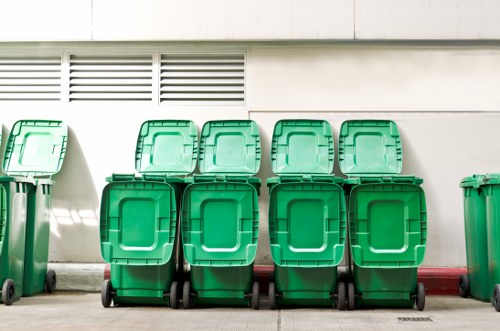
Our Recycling Percentage Target and Reporting
We have set a measurable recycling percentage target: to reach a 65% recycling rate for commercial waste in Peckham by 2030. This target covers diverted materials (recycled and reused) across our collected streams and is tracked quarterly. Transparent reporting allows local businesses to see progress toward that target and refine their segregation practices. Achieving this target depends on collaboration between waste producers, collection crews and local sorting facilities, and we provide easy-to-read monthly summaries for our commercial clients.Local Transfer Stations and Sustainable Routing
We coordinate with nearby transfer stations to ensure waste moves through the right channels to be processed, recycled or recovered. Typical transfer station partners include municipal and licensed facilities in and around Southwark and neighbouring boroughs, ensuring that material destined for recycling does not take unnecessary journeys. Routing is optimised to reduce vehicle miles and congestion in the Peckham area, which supports lower emissions and quicker turnaround for businesses.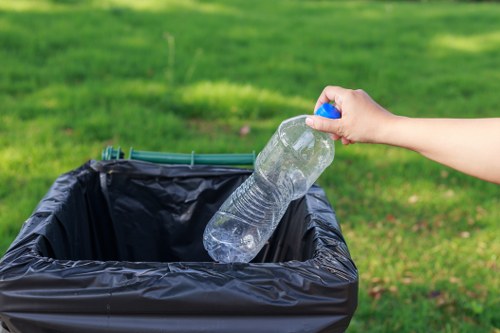 To support an effective eco-friendly waste disposal area, our logistics team plans collection schedules aligned with commercial activity in Peckham. Evening or early-morning pickups reduce traffic impact, while consolidated loads increase vehicle fill rates — meaning fewer trips and lower carbon per tonne collected. We also operate flexible service contracts that encourage segregation at source, making transfer station sorting easier and boosting the overall recycling yield.
We support a range of practical recycling activities common to the borough: segregated paper and cardboard collection, glass and aluminium separation, textiles and WEEE (Waste Electrical and Electronic Equipment) streams for repair or safe recycling, and food waste capture for anaerobic digestion. A sample breakdown of common streams includes:
- Cardboard and mixed paper
- Glass bottles and jars
- Mixed rigid plastics and metal cans
- Food waste for composting or biogas
- Electronics and batteries forwarded to licensed processors
Partnerships with charities are central to creating a truly sustainable rubbish area. Rather than consigning reusable items to landfill, we partner with local not-for-profits, community reuse schemes and furniture charities to redirect items with reuse potential. These collaborations include scheduled drop-offs and dedicated collection slots for businesses donating surplus stock, display units, or office furniture. Working with charity partners not only recirculates goods within Peckham but also supports local employment and community programmes.
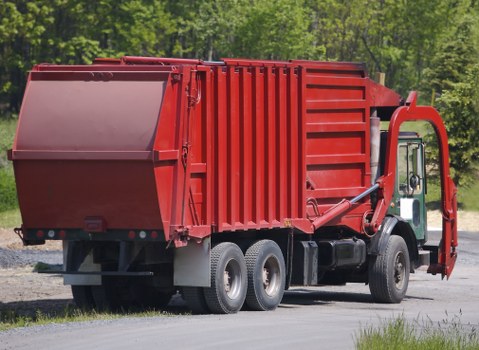
 Low-Carbon Vans and Fleet DecarbonisationOur fleet strategy is designed to reduce emissions across commercial waste Peckham operations. We deploy a mix of electric vans for smaller runs and low-emission hybrid or biomethane-powered vehicles for heavier loads. These low-carbon vans are charged or refuelled at strategically located depots using renewable electricity where possible. The result: a lower carbon footprint per collection and quieter, cleaner operation in residential and business zones.
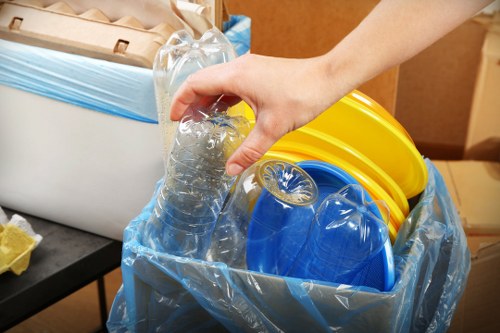 To further encourage sustainable behaviour among tenants and operators in the area, we offer bespoke consultancy on waste audits and segregation training. These services help businesses identify opportunities to increase recycling rates, reduce residual waste, and lower disposal costs. Training sessions include practical advice on bin signage, staff routines, and supplier take-back schemes for packaging and electronics. Together these actions create a resilient, long-term sustainable rubbish area that benefits both the environment and local businesses.
We also support community exchange events and periodic collection drives targeted at bulky waste and textiles. By scheduling coordinated collections and working with transfer stations and charities we ensure materials are routed to the highest value outcome: repair and reuse where feasible, recycling where necessary, and energy recovery only when no better option exists. This hierarchy follows best practice in modern waste management.
Commercial waste in Peckham must be efficient, transparent and environmentally responsible. Our operational framework brings together a clear recycling percentage target, strong links with local transfer stations, charity partnerships for reuse, and an increasingly low-carbon van fleet. These components create a practical blueprint for a sustainable rubbish area across the neighbourhood.
We continue to monitor performance, seek new partnerships and invest in cleaner vehicles and processes so that businesses across Peckham can contribute to and benefit from a healthier urban environment. If you are a local operator interested in aligning with the boroughs approach to waste separation, integrating reuse pathways, and supporting an eco-friendly waste disposal area, the strategy described here is designed to be adaptable, measurable and results-oriented.
