
Health and Safety Policy — Commercial Waste Peckham Operations
Purpose: This Health and Safety policy sets out the framework and responsibilities for safe provision of commercial waste and rubbish collection services. It applies to all staff, contractors and stakeholders engaged in commercial waste management within our service area. The policy aims to protect employees, clients and the public from injury and occupational illness while ensuring compliant handling, transport and disposal of commercial refuse.Scope and Commitment
We are committed to maintaining a safe working environment across collections, transfer, sorting and disposal activities. This policy covers routine rubbish collection, transport of commercial waste, containerised waste handling and emergency response for incidents involving hazardous or contaminated materials. All employees and contractors must follow the procedures set out herein, and management will provide resources, training and oversight to ensure effective implementation.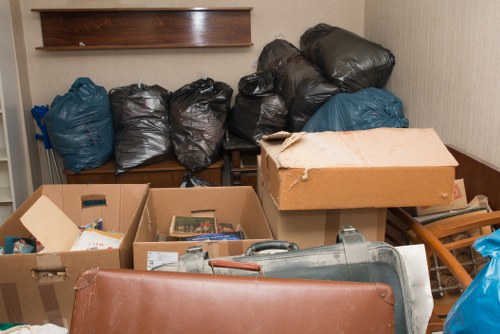 Policy Objectives: To reduce risk through hazard identification, to control exposure to physical and biological hazards, and to ensure compliance with applicable health and safety obligations. Objectives include minimising manual handling injuries, preventing slips and trips, controlling vehicle-related risks, and managing sharps, chemical residues and other hazardous commercial rubbish safely.
Responsibilities
Management will: establish safe systems of work, maintain up-to-date risk assessments, provide PPE and training, monitor safety performance and review the policy annually. Supervisors must ensure staff follow procedures and report hazards. Employees are required to take reasonable care of their own safety and to report incidents and near misses promptly. Risk Assessment and Controls: Risk assessments will be conducted for all regular tasks including loading/unloading bins, compacting waste, operating lifting equipment and driving service vehicles. Controls include:
- Use of mechanical handling aids where practicable to reduce manual handling;
- Provision of suitable gloves, high-visibility clothing, eye protection and respiratory protection when necessary;
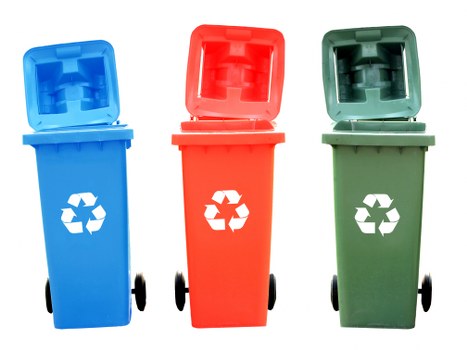
- Safe segregation of recyclable, general and hazardous commercial waste streams;
- Regular inspection and maintenance of vehicles, containers and lifting gear.
Safe work procedures will be documented for routine and non-routine activities. Permit-to-work systems are required for confined space entry, hot work or when dealing with hazardous substances.
Training and Competence
Personnel involved in rubbish collection and commercial waste handling must receive induction and job-specific training. Training covers manual handling, vehicle operation, hazardous waste recognition, spill response and use of PPE. Competence assessments and refresher courses will be scheduled and documented to maintain required standards.Personal Protective Equipment (PPE): Appropriate PPE will be provided and must be used as required. PPE is considered the last line of defence and will be used alongside engineering and administrative controls. Examples include cut-resistant gloves for dealing with sharps, hearing protection near compactors and safety boots for general fieldwork.
Contractor and Subcontractor Management: All third-party providers engaged to perform work related to commercial rubbish or waste services will be required to demonstrate suitable health and safety arrangements. This includes evidence of insurance, risk assessment, training and compliance with relevant waste regulations. Contractors will be supervised and audited periodically.
Incident Reporting and Investigation: All incidents, injuries and near misses must be reported immediately, recorded and investigated. Investigations will identify root causes and corrective actions to prevent recurrence. Records of accidents and investigations will be retained and reviewed to inform continuous improvement.
 Emergency Response and Spill Control: Plans will be in place to manage fires, spills, exposure to hazardous materials and vehicle accidents. Emergency equipment and spill kits will be available at key locations. Employees will be trained in evacuation procedures and spill containment techniques to reduce environmental harm and health risks associated with commercial waste incidents.
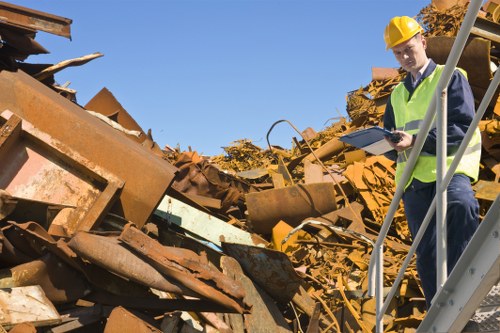 Monitoring, Audits and Review: Regular monitoring, workplace inspections and audits will measure compliance with this policy and associated procedures. Performance indicators include injury rates, near-miss frequency, training completion and audit findings. The policy will be reviewed at least annually or after significant incidents, legislative changes or operational updates. Management will act on audit findings and staff suggestions to strengthen safety outcomes for both commercial waste collection and broader rubbish management operations.
Health Surveillance and Wellbeing: Where employees are exposed to specific risks (dust, fumes, repetitive strain), appropriate health surveillance will be implemented. Employees are encouraged to report health concerns early; occupational health support will be available to manage long-term risks associated with waste handling tasks.
Environmental Considerations: Health and safety measures are aligned with environmental protection. Safe segregation and handling of commercial waste reduce contamination and reduce risks to public health. Procedures ensure lawful transport and disposal in line with accepted waste management practices.
Policy Review and Continuous Improvement: This policy represents our commitment to safe and compliant commercial waste services. It will be communicated to all staff and displayed where appropriate. Continuous improvement will be driven through training, audits, stakeholder engagement and adherence to legal obligations. By prioritising safety, we deliver reliable, secure and responsible rubbish collection and waste management across our service area.
