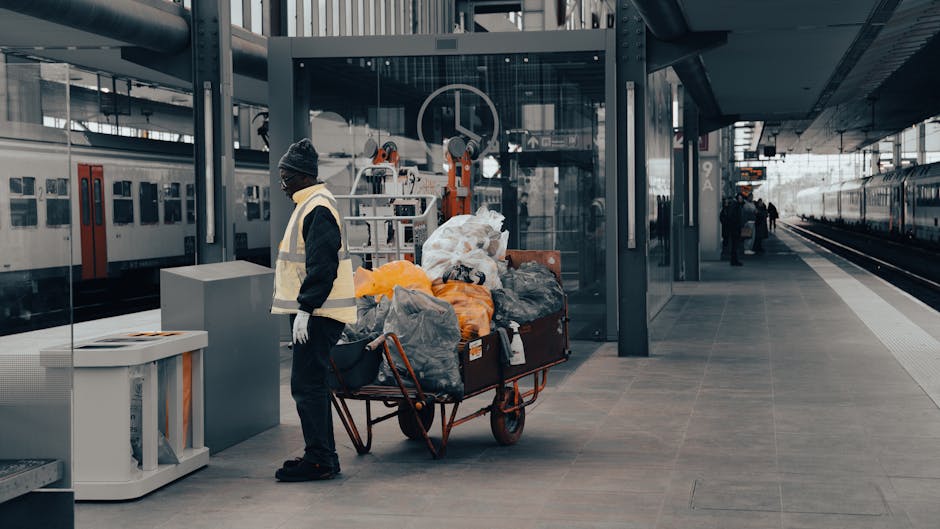
Peckham Rye Station rubbish removal access solutions
If you have ever tried to clear rubbish near a busy station, you will know the awkward bits are rarely the rubbish itself. It is the access. Around Peckham Rye Station, tight pavements, timed traffic, busy footfall, awkward loading points, and the simple fact that people are always moving can turn a straightforward clearance into a small logistical puzzle. That is exactly where Peckham Rye Station rubbish removal access solutions come in.
This guide breaks down how access-led rubbish removal works in real life, why it matters, who needs it, and how to plan a smooth collection without turning the whole thing into a half-day faff. You will also find practical steps, a comparison table, a checklist, and a few honest mistakes to avoid. To be fair, good access planning is often what separates a quick job from a stressful one.
Why Peckham Rye Station rubbish removal access solutions Matters
Station areas bring a particular set of headaches. You often have a mix of commuters, residents, shops, trades, and service vehicles all wanting the same narrow slice of road space. Add bulky waste, and suddenly the obvious route is not so obvious. The point of access solutions is simple: make rubbish removal safe, legal, efficient, and as unobtrusive as possible.
In a station setting, the biggest issue is not just moving waste from A to B. It is moving it without blocking pedestrians, causing a nuisance, risking damage, or wasting time searching for somewhere to park. A good plan reduces double-handling, limits the time a crew spends on site, and helps you avoid those annoying last-minute changes that everyone hates.
There is also a customer-experience angle. If you are a business, landlord, managing agent, or contractor working near Peckham Rye Station, the way waste is removed says something about your operation. A tidy, well-managed collection feels calm. A clumsy one looks messy from the street, and people do notice.
Key point: access planning is not an extra step. It is the job. When the access works, the clearance feels easy. When it does not, everything gets slower.
How Peckham Rye Station rubbish removal access solutions Works
At its core, access-led rubbish removal is about matching the collection method to the environment. Near Peckham Rye Station, that usually means assessing where a vehicle can stop, how far waste must be carried, whether there are steps or narrow gates, and what time of day offers the least disruption.
A proper plan normally starts with a quick review of the site. That might include the frontage, side access, rear alley, courtyard, loading bay, or shared entrance. If waste is stored inside, the route from room to vehicle matters just as much as the vehicle itself. One awkward stairwell can change the whole approach, honestly.
From there, the removal team chooses the most sensible method: a hand-load collection, a wait-and-load arrangement, a timed pickup, or a multi-trip clearance if the volume is larger than it first looked. For mixed waste, builders' debris, or bulky items, you may also need a service that aligns with general waste removal or, for renovation jobs, builders waste clearance.
In practice, the process often feels like this:
- Check access points and likely pinch points.
- Estimate volume, weight, and item type.
- Choose a vehicle and collection method that fits the site.
- Schedule a time that avoids peak congestion where possible.
- Remove waste quickly, safely, and with minimal disruption.
That is the clean version. The real version sometimes includes a gate that sticks, a stairwell with no landing, or a van space that vanishes five minutes before arrival. Planning for those little surprises is what makes the difference.
Key Benefits and Practical Advantages
The most obvious benefit is speed, but that is only part of it. Good access solutions save time in a few different ways. They reduce unnecessary lifting, cut down the distance waste needs to travel, and prevent crews from having to reshuffle bags and bulky items multiple times.
There is also a safety benefit. Station-adjacent streets are often busy and slightly unpredictable. A collection plan that keeps waste moving in a controlled path reduces trip hazards, avoids obstructing foot traffic, and lowers the chances of accidental contact with vehicles, railings, shutters, or shopfronts.
Other benefits include:
- Less disruption for neighbours, customers, and passers-by.
- Better punctuality because the collection route is clearer.
- Lower labour strain since items are moved efficiently.
- Cleaner presentation for commercial premises and residential blocks.
- Improved flexibility when access changes on the day.
If you are comparing clearance options for furniture, appliances, or mixed household waste, it can also help to look at related services such as furniture clearance, fridge and appliance removal, or mattress and sofa disposal. The right service tends to make the access problem much smaller.
Who This Is For and When It Makes Sense
This kind of access-focused rubbish removal is useful for a wide mix of people. It is not just for big commercial jobs. In fact, some of the trickiest access problems happen with fairly small clearances in awkward buildings or shared spaces.
You may need it if you are:
- a landlord clearing a property close to the station;
- a shop, cafe, or office dealing with regular waste uplift;
- a contractor managing builders' debris on a constrained street;
- a tenant or homeowner with bulky items and narrow access;
- a managing agent coordinating a flat clearance or communal tidy-up;
- someone emptying a loft, garage, or storage space where carrying routes are limited.
It also makes sense when timing is tight. Maybe you have keys for only a short window, or the removal has to happen between deliveries, visitors, or service access. In those situations, access planning is not some nice-to-have detail. It is what keeps the whole job from going sideways.
If your clearance is part of a broader property cleanout, nearby services like house clearance, flat clearance, loft clearance, or garage clearance can be relevant too. Each one brings its own access quirks. Flats, especially, can be a bit of a game of stairs, doors, and timing.
Step-by-Step Guidance
If you want a smooth collection near Peckham Rye Station, the best approach is to think like a planner before you think like a mover. That sounds slightly boring, maybe, but it saves a lot of trouble.
- Map the access route. Start at the waste pile and work back to the vehicle. Note doors, lifts, stairs, corridor widths, gates, and any tight turns.
- Identify what is being removed. Mixed waste, bags, furniture, appliances, and construction debris all behave differently. Heavy items may need extra handling and specific disposal arrangements.
- Check vehicle stopping points. If a van cannot get close enough, you will need a longer carry, a different loading method, or a timed wait-and-load setup.
- Choose the right collection style. For some jobs, a pre-booked hand-load works best. For others, a rapid load-and-go approach is better. The wrong method creates friction.
- Factor in the time of day. Busy commuter periods and delivery peaks can make a short job take much longer. Early mornings can sometimes be calmer, though not always.
- Prepare the waste first. Group similar items together, remove loose hazards, and separate anything that needs special handling.
- Keep the route clear on the day. Move bicycles, bins, parked trolleys, and anything else that could block the path. It seems obvious, but it often gets missed.
One small but useful detail: if you are dealing with confidential paperwork at the same time as general rubbish, it can be smart to isolate it from the outset and use a dedicated option such as confidential shredding. Mixing sensitive paper into general waste is the kind of thing that looks minor until it is not.
Expert Tips for Better Results
In our experience, the best access jobs are the ones where someone has thought about the annoying bits before the van arrives. Not glamorous, but true.
- Measure the narrowest point twice. Doorways, stair landings, and side entrances often matter more than the main entrance.
- Photograph awkward access before booking. A couple of phone photos can reveal a lot more than a vague description on the spot.
- Separate heavy and fragile items. This helps the crew choose the safest loading order.
- Ask about recycling expectations early. If you are aiming for greener disposal, it is better to plan segregation from the start. You might want to review recycling and sustainability guidance before collection.
- Keep a margin for access delays. Five spare minutes can save a lot of irritation when the street is busy.
- Be clear about upstairs or rear-access waste. "It is just a few bags" can turn into two long trips and a sweaty staircase. Happens all the time.
Another good habit is to ask whether the team has worked in station-heavy or high-footfall areas before. You are not just paying for removal. You are paying for judgement, and that matters more than people sometimes realise.
Common Mistakes to Avoid
Access problems usually come from assumptions. The classic one is assuming a van can stop right outside. In dense parts of Peckham, that may be optimistic at best. Another common mistake is underestimating how long it takes to carry waste through a building with stairs, doors, and shared corridors.
Here are the mistakes we see most often:
- Leaving access planning until the day of collection. This makes small issues grow legs.
- Not checking parking or stopping restrictions. If the vehicle cannot legally stop, the job slows down immediately.
- Overfilling bags or containers. Heavy sacks are harder to move and more likely to split.
- Mixing prohibited or specialist items with general waste. That creates sorting problems and can complicate disposal.
- Forgetting about communal areas. Shared entrances, hallways, and fire routes need to stay clear.
- Booking the wrong type of service. A furniture-only job is not the same as a builders' load, and the access needs can differ quite a bit.
A slightly less obvious mistake is ignoring the "return route" after loading. People focus on getting items out, but if the crew still has to manoeuvre around bins, tight corners, and a locked gate on the way back, the job can drag. Little things add up.
Tools, Resources and Recommendations
You do not need a kit bag full of specialist gear to plan rubbish removal access properly. A few simple tools and habits go a long way.
- Phone photos or video of entrances, corridors, and loading points.
- A tape measure for door widths and awkward gaps.
- A simple site note listing the number of floors, stairs, gates, and lifts.
- Basic segregation bags or boxes for separating materials before collection.
- A disposal plan for appliances, mattresses, furniture, or mixed waste.
For specific item types, it helps to match the service to the material rather than treating everything as one pile. For example, furniture disposal is not the same as clearing office paper waste, and appliance jobs may need a separate approach. If you are working through a home or office that has built up clutter over months, pairing the right collection with home clearance or office clearance can make the access route much easier to manage.
A useful rule of thumb: if you cannot describe the access in one or two clear sentences, it probably needs a bit more thought before booking. That sounds blunt, but it saves a lot of back-and-forth.
Law, Compliance, Standards, or Best Practice
Waste removal in the UK is not just about lifting and loading. The practical side sits alongside duty of care, safe handling, and responsible disposal. You do not need to become a legal expert, but you should work with a provider that treats waste correctly and keeps records where appropriate.
For station-area jobs, best practice usually means:
- keeping pedestrian routes safe and unobstructed;
- avoiding unsafe manual handling;
- separating hazardous or specialist waste from general waste;
- using suitable vehicles and loading methods;
- making sure collections are carried out by insured, trained personnel;
- checking that the service has a clear approach to health and safety.
If your clearance includes anything potentially risky, such as chemicals, sharp materials, damaged appliances, or unknown contents, it is sensible to raise that early and use a dedicated route such as hazardous waste disposal. Do not leave it to chance. That is one place where "we will sort it on the day" is not a great plan.
You may also want to look at provider policies covering health and safety, insurance and safety, and payment and security. Those pages can tell you a lot about how seriously a company takes the practical side of the work.
Options, Methods, or Comparison Table
Different access situations call for different removal methods. Here is a simple comparison to help you decide what might fit best.
| Method | Best for | Access impact | Typical strength | Watch-outs |
|---|---|---|---|---|
| Hand-load collection | Small to medium clearances, awkward entrances, tight stairways | Low vehicle dependence | Flexible and quick to adapt | Can take longer if waste is spread out |
| Wait-and-load | Busy streets where parking is limited | Needs short, legal stopping access | Good when you cannot leave a vehicle in place | Timing has to be well managed |
| Pre-loaded vehicle collection | Planned jobs with easy access and known volume | Moderate | Efficient for straightforward loads | Less flexible if access changes |
| Property clearance service | Whole-house, flat, loft, or office clearouts | Depends on layout and volume | Best for mixed and bulky items | Needs a more detailed survey of access |
For larger clearances, especially if the property is packed or split across several rooms, a broader clearance option may be better than a basic lift-and-load visit. In those cases, services like house clearance or builders waste clearance can be a better fit than a generic collection.
And yes, sometimes the answer is simply: "use the method that makes the fewest turns and steps." Not exactly poetry, but practical.
Case Study or Real-World Example
Imagine a small commercial unit a short walk from Peckham Rye Station. The team needs to clear old shelving, broken office chairs, a few bags of packaging, and a damaged fridge that has been sitting in the back room far too long. The street is busy by mid-morning, and there is limited stopping space outside.
The first pass looks simple enough. But once you factor in the back entrance, a narrow corridor, and a shared access door, the job becomes much more sensitive to timing. The fridge cannot just be dragged out last minute without planning, and the cardboard needs to be stacked so it does not block the fire route.
The solution is a short wait-and-load window with the waste grouped in advance, a clear carrying path, and the fridge handled separately as appliance waste. The result is a tidy pickup with minimal disruption. No drama. No repeated trips to the van because someone forgot a pile in the corner. Nice and calm.
That sort of job is a good example of why access solutions matter. The waste was never the hard part. The route was.
Practical Checklist
Use this before booking or on the morning of collection.
- Have you checked the narrowest doorway, gate, or stair landing?
- Do you know where the vehicle can legally stop?
- Is the waste sorted by type where possible?
- Have any hazardous or special items been flagged early?
- Are communal areas, corridors, and exits kept clear?
- Do you know how many trips the crew will likely need?
- Have you allowed for busy traffic or pedestrian flow near the station?
- Are fragile items separated from heavier ones?
- Have you shared photos or clear notes about access?
- Is there a fallback plan if the original stopping point is unavailable?
Quick reminder: the cleaner the route, the smoother the removal. Simple as that.
Get a free quote today and see how much you can save.
Conclusion
Peckham Rye Station rubbish removal access solutions are really about making smart decisions before the lifting starts. When you think ahead about the route, the parking, the timing, and the type of waste, the whole process becomes far easier to manage. That is true whether you are clearing a flat, handling office waste, removing bulky furniture, or dealing with builders' debris.
The best results usually come from simple, careful planning: map the access, choose the right method, separate tricky items, and work with a team that understands busy local conditions. Near the station, that practical detail matters more than people sometimes expect.
If you are standing in a cluttered room or looking at a pile of rubbish beside a narrow entrance, take a breath. It is fixable. With the right access plan, even a tricky clearance can feel straightforward in the end.
Frequently Asked Questions
What are Peckham Rye Station rubbish removal access solutions?
They are practical ways of planning and carrying out rubbish removal in a busy station area where parking, pedestrian flow, narrow access, and timing can all affect the job. The aim is to make the collection safe, quick, and low-disruption.
Why does access matter so much near Peckham Rye Station?
Because the area can be busy and tight for stopping space. If a vehicle cannot get close enough, rubbish has to be carried further, which takes longer and can create safety or nuisance issues.
Is wait-and-load a good option for station-side rubbish removal?
Often, yes. It can work well where parking is limited or unpredictable. The key is timing and having the waste ready to go so the vehicle can load quickly and leave without hanging around.
Can bulky items be removed from flats or upper floors?
Yes, but the access route needs checking first. Stairs, corners, and shared corridors can make a big difference, so it helps to flag those details early.
What if the van cannot park directly outside the property?
That is common in busy London locations. A good removal plan may use hand-loading, a short carry distance, or a timed pickup that works around local traffic and stopping restrictions.
Do I need to sort waste before collection?
It is not always essential, but it usually helps. Sorting bulky items, general rubbish, recyclable material, and special items in advance can make the removal faster and simpler.
How do I prepare for a rubbish removal near the station?
Measure the access route, take photos if needed, clear the path, separate special items, and give the crew a clear idea of the vehicle stopping point. A few minutes of prep can save a lot of hassle.
What kind of waste needs special handling?
Anything hazardous, sharp, leaking, or otherwise risky should be flagged early. That can include some chemicals, damaged appliances, and unusual materials. If in doubt, ask before collection.
Is there a difference between furniture clearance and general rubbish removal?
Yes. Furniture clearance usually focuses on bulky items that need careful handling, while general rubbish removal may cover mixed bags and smaller waste. The access plan can be different for each.
Can station-area waste removal be arranged around business hours?
Usually, yes. Many collections are planned to avoid peak times, deliveries, or customer footfall. Early slots can be useful, though they are not always necessary.
What should I look for in a reliable removal provider?
Look for clear communication, sensible access planning, strong safety practices, and services that match the type of waste you have. It also helps if the provider explains what they can and cannot take, rather than guessing.
How do I know whether I need house clearance, flat clearance, or just waste removal?
If you are clearing an entire property or several rooms, a clearance service is often more suitable. If you just have mixed waste or a smaller load, a general removal service may be enough. The access route and the volume usually point you in the right direction.
What happens if access changes on the day?
A decent team will adapt, but changes can add time. That is why it helps to share photos, mention known issues, and keep a backup plan in mind. The more honest the access brief, the smoother the outcome.